

New approaches to overcome therapy resistance in melanoma
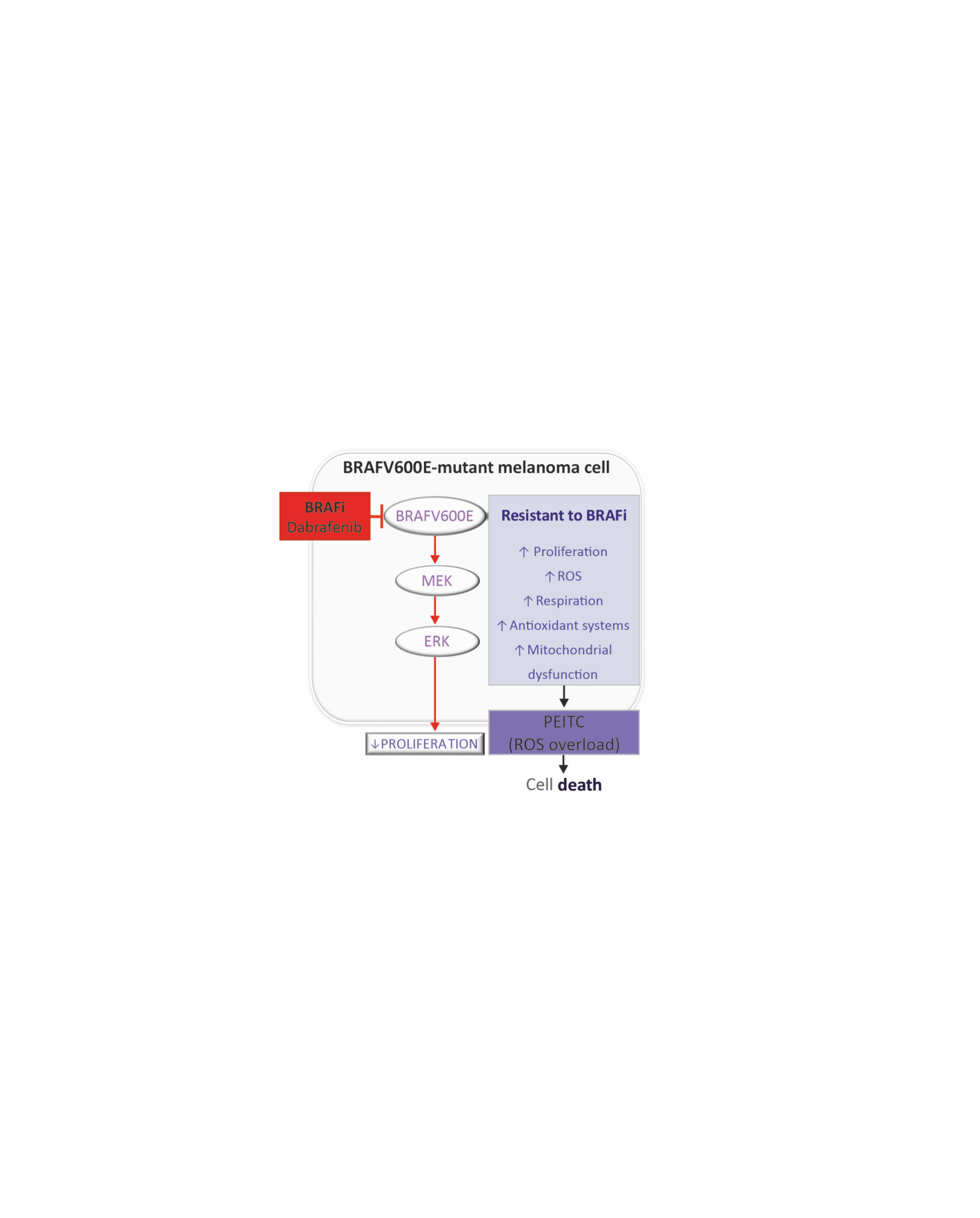
In a recently published study involving researchers from the Tyrolean Cancer Research Institute (TKFI), the MUI and the UIBK, scientists investigated how melanoma cells develop resistance to targeted cancer therapies and how this resistance can be addressed. Malignant melanoma is commonly treated with the BRAF inhibitor dabrafenib, which is initially very effective in tumors carrying a BRAF mutation. However, over time many tumors become resistant, limiting the long-term success of the treatment.
The study shows that resistant melanoma cells adapt their metabolism to survive therapy-induced stress. In particular, they increasingly rely on mitochondrial energy production and alternative nutrient sources. While these changes support tumor cell survival, they also create new weaknesses. The researchers demonstrated that targeting these altered metabolic pathways significantly increases the sensitivity of melanoma cells to dabrafenib.
Overall, the findings highlight the importance of cancer metabolism in therapy resistance and point to new combination treatment strategies that could improve long-term outcomes for patients with malignant melanoma.
